

Short answer. DSEAR, the Dangerous Substances and Explosive Atmospheres Regulations 2002, requires employers to assess and control the risks from any substance that could catch fire, explode or create a flammable atmosphere. It applies well beyond oil refineries and chemical plants: bakeries, joinery workshops, vehicle garages and stores holding solvents or aerosols can all be in scope.
There are regulations most business owners can at least name, even if the details are hazy: fire safety, health and safety at work, manual handling. DSEAR rarely makes that list, yet it applies to a wide range of everyday workplaces.
What is DSEAR?
DSEAR requires employers to assess and manage the risks from dangerous substances in the workplace. A dangerous substance is anything that could create an explosive atmosphere or cause a fire: petrol, LPG, solvents and flammable gases, but also flour dust, wood dust, spray paints, hand sanitiser, cleaning products and aerosol cans. The definition, updated by the 2015 CLP amendment, also covers gases under pressure and substances that are corrosive to metal.
If a substance can catch fire, explode or create a flammable or explosive atmosphere, DSEAR is likely to apply.
Which workplaces does DSEAR apply to?
DSEAR applies well beyond large industrial sites, covering any workplace where dangerous substances are stored, used or created as part of a work process, including:
- Bakeries and food manufacturers (flour and sugar dust)
- Woodworking shops and joinery workshops (wood dust)
- Vehicle workshops and MOT garages (fuel, brake cleaner, spray paint)
- Warehouses storing flammable goods
- Distilleries (alcohol vapour) and breweries (grain and malt dust)
- Factories using adhesives, solvents or coatings
- Offices or other premises storing significant quantities of aerosols or hand sanitiser
The Health and Safety Executive (HSE) has been clear that DSEAR has a wider reach than most employers assume; see HSE's guidance on dangerous substances and explosive atmospheres.
What a DSEAR assessment involves
A DSEAR risk assessment looks at your workplace through a specific lens. The assessor identifies what dangerous substances are present, how they are used, stored and handled, and whether an explosive atmosphere could form.
This includes hazardous area classification: mapping zones based on how likely and how often an explosive atmosphere could occur. For flammable gases and vapours, the zones are 0, 1 and 2; for combustible dusts, the equivalent zones are 20, 21 and 22. Zone 0 (or 20) is where an explosive atmosphere is present continuously or for long periods, Zone 1 (or 21) is where it may occur occasionally during normal operation, and Zone 2 (or 22) is where it is unlikely and, if it occurs, will only be brief. The zone reflects likelihood and duration, not severity: a rarely occurring atmosphere can still be extremely dangerous if it ignites.
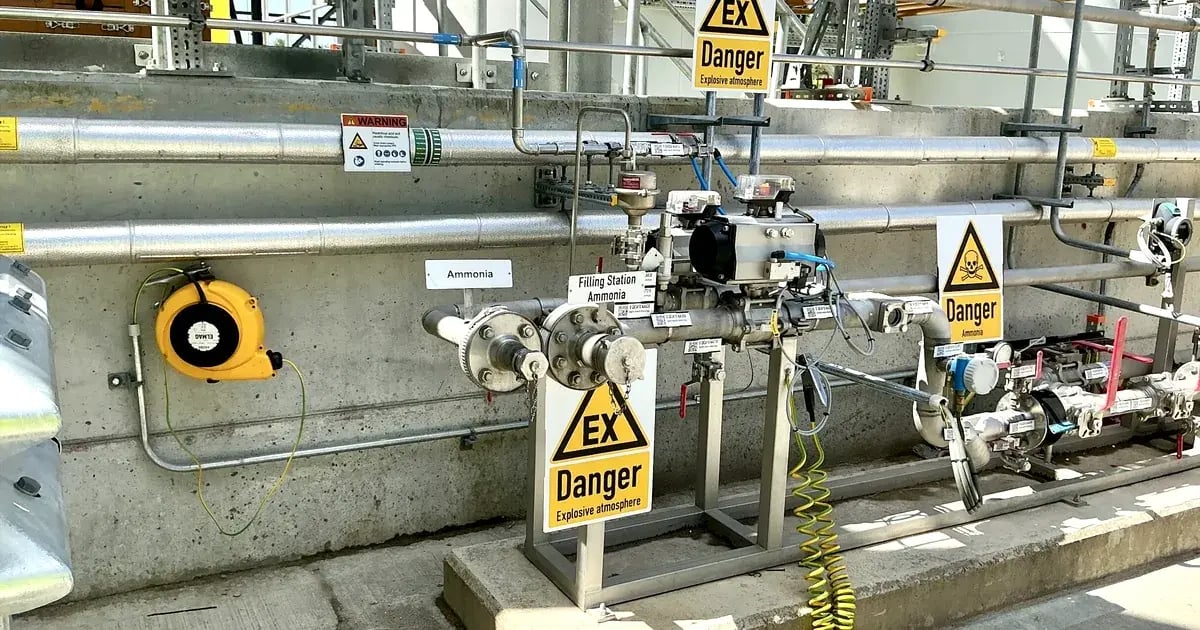
Regulation 7 of DSEAR requires employers to classify these zones, mark the entry points to significant hazardous areas with the EX sign, and control what equipment and ignition sources are permitted within each zone. The assessment then covers the wider controls: ventilation, containment, elimination of ignition sources, safe storage, emergency procedures and staff training.
DSEAR is not the same as COSHH
A DSEAR assessment is often confused with a COSHH assessment, but they cover different risks. COSHH deals with the health effects of hazardous substances: inhalation, skin contact, ingestion. DSEAR deals with fire and explosion risk. A substance can be relatively low-risk to health and still capable of causing a serious explosion under the wrong conditions, so having a COSHH assessment does not mean the DSEAR duty has been met.
Why this gets missed
Most employers who fall short on DSEAR are not being reckless: they simply do not know the regulations apply to them. They may have a fire risk assessment, a health and safety policy and a COSHH assessment, and assume that between them the fire and explosion risk from dangerous substances is covered. It often is not.
The consequences of getting it wrong
DSEAR breaches are taken seriously by the HSE, with potential for prosecution and unlimited fines, and in the worst cases, people are hurt or killed. Dust explosions, solvent fires and gas leaks happen in UK workplaces most years. The 2015 Bosley Mill explosion in Cheshire killed four people; the operator was later convicted of health and safety offences relating to dust management, a reminder of how seriously HSE and the courts treat failures to control combustible dust, even where the precise cause of an explosion cannot be established with certainty.
Do you need a DSEAR assessment?
Start by asking whether your workplace has any substances that could catch fire or create a flammable or explosive atmosphere. Where the quantities involved are genuinely trivial, such as a small amount of hand sanitiser, that risk can often be covered within your existing fire or general risk assessment. Where dangerous substances are used, stored or produced in any meaningful quantity, or where a dust or vapour hazard exists as part of a process, a dedicated DSEAR assessment carried out by a competent person is the right approach.
A good DSEAR assessor will walk through your premises, identify the dangerous substances present, classify any hazardous areas and give you a clear, prioritised report. The aim is not to shut your operation down; it is to put the right controls in place so you can carry on safely.
If you are unsure whether DSEAR applies to your site, York Green's DSEAR risk assessment service can establish that and, where needed, carry out the assessment.
For related reading, see understanding DSEAR risk assessment requirements and what's secretly on your site's shelves.