

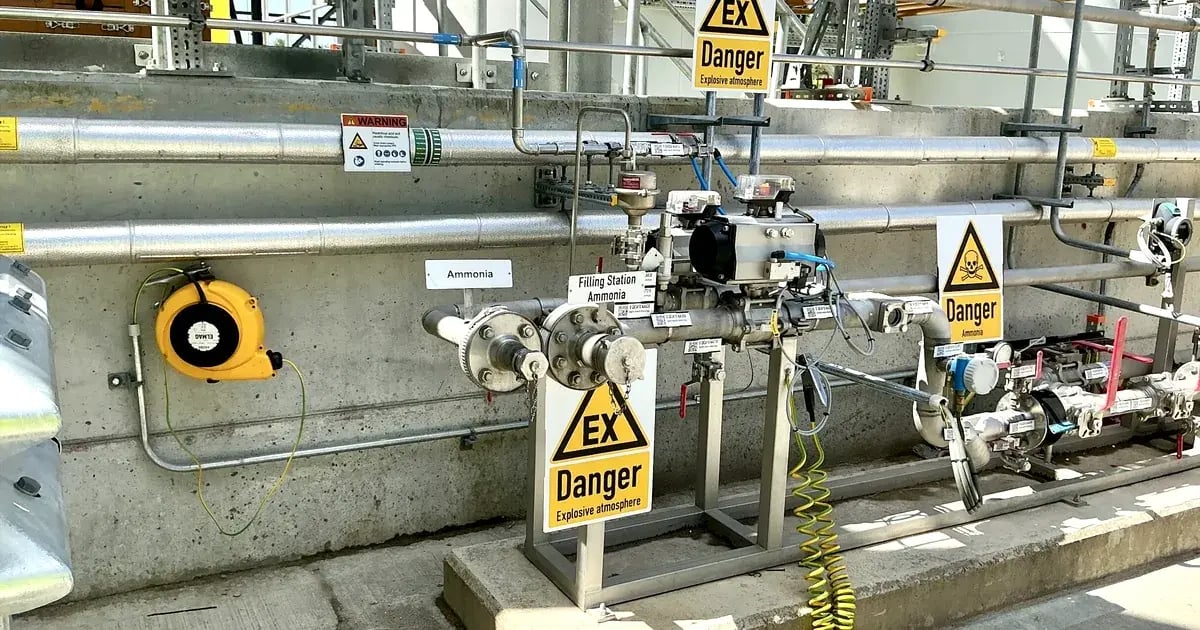
Short answer. DSEAR tells employers how to manage the risk of explosive atmospheres in the workplace. The EPS Regulations 2016 (the UK's retained ATEX equipment regime) tell manufacturers how to design and certify the equipment used in those areas. Both apply, but to different people, in different ways.
DSEAR and ATEX are two acronyms, both related to explosive atmospheres, frequently mentioned in the same conversation and often confused. Whether you need to comply with one, both or neither is one of the most common questions in explosive atmosphere compliance.
DSEAR: the workplace regulations
DSEAR, the Dangerous Substances and Explosive Atmospheres Regulations 2002, is UK workplace legislation supported by the Approved Code of Practice L138 (Dangerous substances and explosive atmospheres). It places duties on employers to assess and manage the risks from dangerous substances that could create explosive atmospheres or cause fires.
DSEAR requires employers to carry out a risk assessment of any work activity involving dangerous substances, eliminate or reduce the risk so far as reasonably practicable, classify hazardous areas into zones based on the likelihood of an explosive atmosphere forming, ensure equipment used in classified zones is suitable, take measures to mitigate the effects of an explosion if one occurs, and prepare emergency procedures.
DSEAR is enforced by the HSE for most workplaces, or by the local authority or another relevant enforcing authority depending on the premises (petrol filling stations, for example, fall to the Petroleum Enforcement Authority). If you are an employer with dangerous substances on your premises, DSEAR applies to you regardless of who enforces it.
ATEX: the equipment regime
ATEX started life as two EU Directives. In the UK, the equipment side is now implemented through the Equipment and Protective Systems Intended for Use in Potentially Explosive Atmospheres Regulations 2016 (the EPS Regulations), and the workplace side was implemented through DSEAR.
The equipment regime (originally ATEX 114, now the EPS Regulations in Great Britain) sets requirements for the design and manufacture of equipment intended for use in explosive atmospheres. If you manufacture equipment for use in hazardous areas, this is the regime you comply with. Higher-risk equipment, Category 1 and most of Category 2, must go through third-party conformity assessment by an approved body. Category 3 equipment, intended for the lower-risk Zone 2 and 22 areas, can instead be self-certified by the manufacturer, without third-party involvement.
The workplace directive (originally ATEX 137) set minimum requirements for protecting workers from explosive atmospheres, and was implemented into UK law through DSEAR. So complying with DSEAR also satisfies that part of the original ATEX framework.
How they work together
An employer carries out a DSEAR assessment, which identifies dangerous substances, evaluates the risk of explosive atmospheres forming, and classifies the workplace into zones. Based on that classification, the employer must ensure that all equipment used in classified zones is suitable, which means it must carry the correct certification for that zone category.
DSEAR tells you an area is Zone 1; the EPS Regulations tell the equipment manufacturer what equipment for Zone 1 must be built to. As the employer, you need DSEAR to know what zones you have, and you need correctly rated equipment to operate safely within them.
Reading the equipment markings
Equipment certified under this regime carries a specific marking that tells you where it can be used: the Ex symbol (a stylised explosion in a hexagon), the equipment group (Group I for mining, Group II for other workplaces), the equipment category (1, 2 or 3, indicating the level of protection) and the type of explosive atmosphere it is rated for (G for gas or vapour, D for dust).
A piece of equipment marked "Ex II 2G" is certified for surface industries (Group II), suitable for Zone 1 gas or vapour environments (Category 2), and rated for gas and vapour atmospheres (G). Understanding these markings matters when selecting equipment for classified zones: installing equipment with the wrong rating is a DSEAR breach, because you have put an inadequately protected ignition source in a hazardous area.
Does the old ATEX marking still apply after Brexit?
The Equipment and Protective Systems Intended for Use in Potentially Explosive Atmospheres Regulations 2016 is the retained UK version of the equipment directive. Equipment placed on the Great Britain market can carry either the UKCA marking with certification from a UK approved body, or the CE marking with certification from an EU notified body. Following the Product Safety and Metrology etc. (Amendment) Regulations 2024, CE marking under this regime continues to be recognised in Great Britain indefinitely, so there is no cut-off date by which CE-marked equipment must be replaced or re-certified.
DSEAR itself is UK legislation and was unaffected by Brexit.
Common confusion points
"We have the right equipment, so we're DSEAR-compliant." Having the right equipment is only one part of DSEAR compliance. You also need a risk assessment, zone classification, management arrangements, training and emergency procedures.
"We don't have any classified zones, so DSEAR doesn't apply." Zone classification is the output of a DSEAR assessment, not something you can assume in advance. You cannot know whether you have zones until you have done the assessment, and DSEAR applies to all dangerous substances, not just those that create classified zones.
"This only applies to big industrial sites." If your small workshop has a spray booth, your bakery generates flour dust, or your warehouse stores flammable goods, you may need correctly rated equipment in specific areas.
The two duties together
DSEAR is your obligation as an employer to assess and manage explosive atmosphere risks; the EPS Regulations set the standard that ensures equipment is safe for use in those environments once you know what zones you have. You need both, and HSE's guidance on DSEAR is the place to start if you are working out what applies to your site. York Green's DSEAR risk assessment service covers zone classification and equipment evaluation for both.