

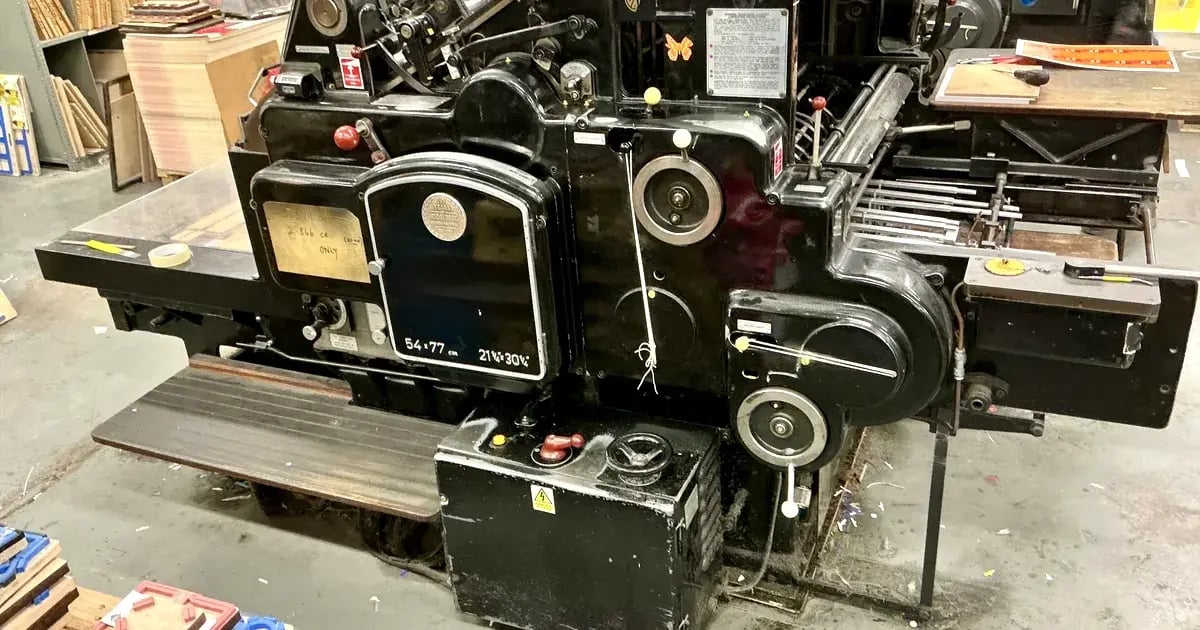
Short answer. The five work equipment failures the HSE sees most often are missing or defeated guarding, unsafe isolation before maintenance, maintenance carried out without a safe system of work, operators using equipment they were never trained on, and no routine inspection regime. All five map directly onto specific duties in the Provision and Use of Work Equipment Regulations 1998 (PUWER).
Why these five, and not a generic list
Work equipment accidents rarely come from equipment that simply "broke". They come from equipment left unguarded, isolated incorrectly, maintained unsafely, operated by someone never shown how, or never checked in the first place. Each of those is a named duty under PUWER 1998, backed by the Approved Code of Practice L22.
1. Missing or defeated guarding
Contact with moving machinery, trapped fingers in nip points, and entanglement in rotating shafts remain among the most common causes of serious work equipment injury. PUWER regulation 11 requires guards on dangerous parts of machinery, and they must be suitable, properly maintained, and not something an operator can bypass to work faster.
Interlocked guards that have been wedged open, fixed guards left off after a repair, and light guards positioned so an arm can reach past them are the pattern that keeps showing up. A guard that exists but does not actually prevent access to the danger zone does not meet regulation 11.
2. Unsafe isolation before maintenance or clearing a jam
Equipment that starts unexpectedly while someone has their hands inside it is one of the most severe failure modes in this list. PUWER regulation 19 requires suitable means of isolating equipment from its power source, and the Electricity at Work Regulations 1989 add specific duties on safe isolation of electrical systems.
A lock-off procedure only works if it is actually used. "Just switching it off at the button" is not isolation: the machine can restart on its own or be started by someone else while a person is still clearing a blockage or changing a part.
3. Maintenance without a documented, safe method
PUWER regulation 5 requires work equipment to be maintained in an efficient state, in efficient working order and in good repair. That duty extends to how maintenance is carried out, not only whether it happens. Maintenance done without isolating the equipment, without the right tools, or by someone not competent to do it, creates risk rather than removing it.
A maintenance log that records what was done, when, and by whom gives you evidence that regulation 5 is being met, and makes it obvious when a piece of equipment is overdue.
4. Operators who were never trained on that specific machine
PUWER regulation 9 requires anyone using work equipment to have received adequate training in the method to be used, the risks involved, and the precautions to take. Experience on a similar machine is not the same as training on this one: control layouts, guarding arrangements and failure modes differ between models.
Training needs to be specific to the equipment, refreshed when the equipment or the process changes, and recorded. An operator who has never been shown the emergency stop on a particular machine is not compliant with regulation 9, however experienced they are generally.
5. No routine inspection regime
PUWER regulation 6 requires work equipment exposed to conditions causing deterioration to be inspected at suitable intervals, and after any exceptional circumstances that could affect its safety. Where there is no formal inspection schedule, faults are found by accident, usually when something has already gone wrong.
An inspection regime does not need to be complicated. It needs a defined frequency for each piece of equipment, a simple checklist, and a record that the checks actually happened. That record is what a PUWER assessment looks for first.
Bringing it together
These five failures rarely occur in isolation. A machine with a defeated guard is often also the one nobody has inspected this quarter, maintained by whoever was free rather than whoever was trained, and operated by staff who learned "on the job" rather than through formal instruction. Fixing one weak point without checking the others leaves the underlying risk in place.
A PUWER risk assessment checks guarding, isolation, maintenance records, training records and inspection regimes against the regulations in one exercise, rather than leaving each to be checked separately. The full text of the regulations is available from the Provision and Use of Work Equipment Regulations 1998 on legislation.gov.uk.
For related guidance, see PUWER risk assessments for employers and navigating PUWER regulations.