

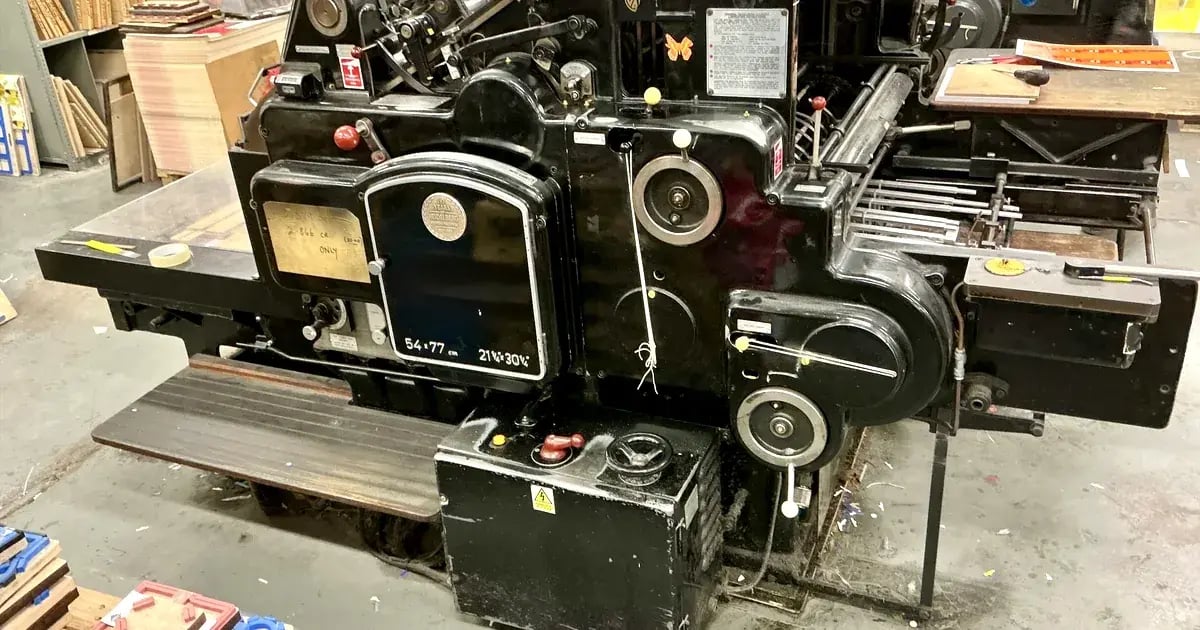
Short answer. A PUWER inspection is a check that a piece of work equipment is still safe to use: installed correctly, in working order, guarded, with its controls and isolation working, and maintained. Regulation 6 of the Provision and Use of Work Equipment Regulations 1998 requires it where the safety of the equipment depends on how it was installed or where it can deteriorate in a way that leads to danger. The regulations set no fixed interval; the employer sets one that matches the risk, and annual is common for workshop and manufacturing equipment.
The inspection regime is one of the things a PUWER assessment sets up, equipment by equipment.
What is the purpose of a PUWER inspection?
To catch the things that go wrong between installation and the next service: a guard removed for cleaning and not refitted, an interlock bypassed, an emergency stop that no longer stops, a worn control label, a leaking hydraulic line, a damaged cable. Maintenance keeps the equipment working; inspection confirms it is still safe. The two are not the same and PUWER asks for both.
What equipment is covered by PUWER?
Anything used at work: machinery, tools, appliances, lifting equipment, vehicles used at work, ladders, pressure systems and the installations that connect them. Regulation 6 narrows the inspection duty to equipment whose safety depends on its installation (a machine bolted to a floor, a guard rail, a conveyor) or that is exposed to conditions that cause deterioration (weather, vibration, corrosion, heavy use). In practice that is most of the equipment in a workshop, a warehouse or a factory.
How often should a PUWER inspection be carried out?
As often as the risk requires. The regulations say the interval must be "suitable", and the Approved Code of Practice, L22, leaves it to the employer to decide based on the type of equipment, how it is used, how quickly it deteriorates and what the manufacturer recommends. Three intervals cover most sites: a pre-use check by the operator every shift, a recorded inspection weekly or monthly for equipment that works hard or outdoors, and a formal inspection at least annually for everything else. Equipment that has been moved, modified, repaired or involved in an incident is inspected again before it goes back into use.
Who can carry out a PUWER inspection?
A competent person: someone with the knowledge and experience to know what to look for on that type of equipment and to recognise when a defect matters. For routine checks that is usually a trained operator or supervisor with a checklist. For the annual inspection of complex or high-risk equipment it is a maintenance engineer or an external assessor. The person does not have to be independent, but they do have to be competent, and the employer has to be able to show why.
What has to be recorded?
Regulation 6 requires the result of every inspection to be recorded and kept until the next inspection, and the record has to stay with the equipment if it leaves the site. A PUWER register, one line per item with its last and next inspection dates, is the simplest way to meet that. The record needs the equipment identified, the date, what was checked, what was found and what was done about it.
Is a PUWER inspection the same as a LOLER thorough examination?
No. For equipment that lifts loads, the regulation 6 inspection does not apply at all; LOLER takes over with a thorough examination at fixed intervals (six months for equipment that lifts people, twelve months for the rest) by a competent person who is usually independent, plus any inspection between examinations that the risk calls for. The rest of PUWER still applies. A forklift has to meet PUWER for its guarding, controls, maintenance and operator training, and LOLER for the examination of its lifting function. The split is explained in LOLER and PUWER: the difference.
What is a PUWER assessment, and how is it different from an inspection?
The assessment comes first. It goes through every piece of equipment on site against all of PUWER, sets the inspection regime for each one, and produces the register and the action plan. The inspections are the ongoing checks that the assessment set up. What York Green's PUWER assessment covers, and the published price range, are on the service page.