

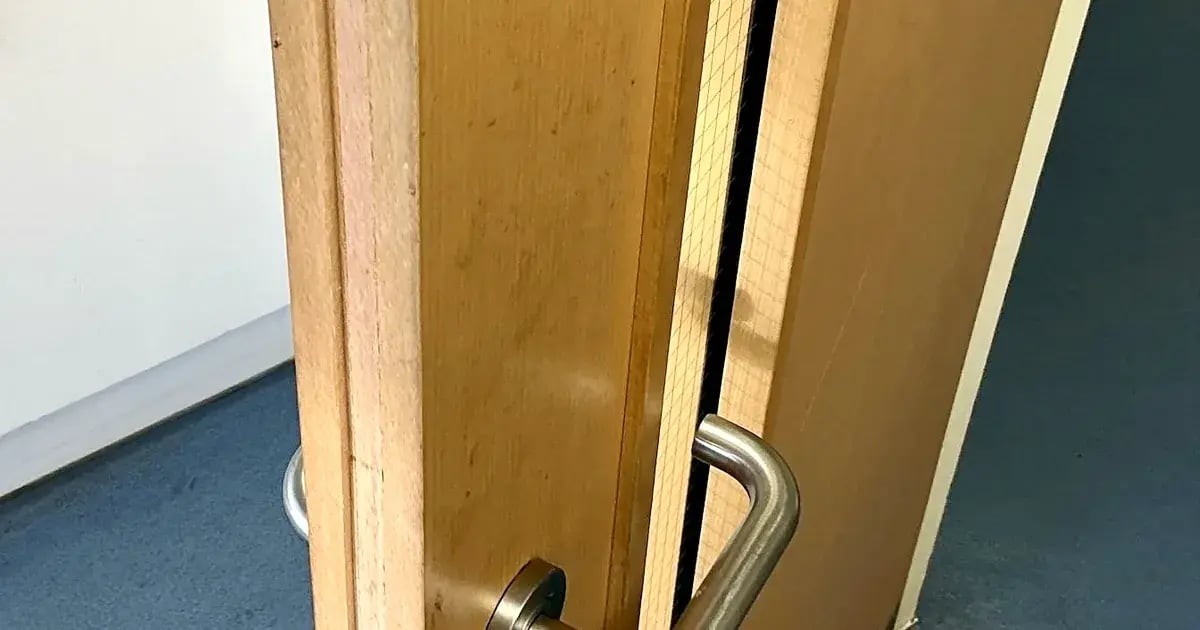
Short answer. Fire Door Safety Week, run every September by the BWF Fire Door Alliance, is a good annual prompt to check the basics of fire safety across a building, not just the doors. These five checks, fire doors, extinguishers, the alarm system, the evacuation procedure and signage, cover the fundamentals and can each be done in a day.
Why fire doors are the trigger for a wider check
Fire Door Safety Week focuses on one thing: whether the fire doors in a building are actually doing their job. That is a good starting point, because fire doors are genuinely one of the most overlooked pieces of fire safety equipment. They are unglamorous, they get wedged open, and their failure is invisible until the moment they are needed.
But a fire door is one part of a system. While the doors are on your mind, it is worth running through the other basics at the same time: extinguishers, the alarm, the evacuation procedure and signage. None of these five checks replaces a full fire risk assessment, but they will catch the obvious gaps quickly.
1. Check your fire doors are doing their job
A fire door should:
- Close properly. No sticking, no gaps, no propping open. If it takes effort to close, something is wrong.
- Have an intact seal. Run a hand around the edges. A gap you can feel means the intumescent strip is failing.
- Have working hardware. Hinges, locks and self-closers should work smoothly. A hissing or leaking closer needs replacing.
- Be labelled. A fire door sign should be on both sides.
In a warehouse or multi-storey building this matters even more: a fire door is what stops a fire in one compartment becoming a fire that spreads through the next one.
Action: Walk every fire door in the building. Note anything propped open, sticking or missing a label, and get it fixed that week.
2. Do a quick extinguisher check
You do not need to know the technical difference between a foam and a powder extinguisher, though it helps. You do need to know:
- Where the extinguishers are. Visible, accessible, and positioned where they are actually likely to be needed, such as kitchens and near electrical equipment.
- Whether they have been serviced. Extinguishers need an annual check by a competent person under BS 5306-3. Check the service tag: if the last date is over a year old, it is overdue.
- Whether they are the right type. A commercial kitchen needs a Class F extinguisher for cooking oil fires. A standard powder or water extinguisher on a hot oil fire makes it worse.
- Whether anyone can use them. Not everyone needs training, but your fire wardens should know how.
Action: Check every service tag. Book a service for anything overdue.
3. Test the fire alarm system
Confirm three things: the alarm actually sounds, it is audible everywhere in the building, and the test is recorded. A monthly test usually just means activating a call point manually; a more thorough annual test is normally carried out with your alarm contractor.
Action: Check the maintenance log. If there is no record of a test in the last month, schedule one this week, and tell staff it is happening so nobody assumes it is a real evacuation.
4. Review and practise the evacuation procedure
A written procedure that nobody has looked at in 18 months is not much use. It should cover the assembly point, who takes headcounts, how visitors and contractors are accounted for, which escape routes and exits are designated and kept clear, and any special arrangements for people with disabilities or mobility issues, including a refuge area if the building has one.
Action: Walk the team through it. Ask them where the assembly point is and how to raise the alarm. Fix whatever gaps that exposes.
5. Check the fire safety signage
Look for fire action notices at exits, illuminated fire exit signs, working emergency lighting on escape routes, labelled fire equipment, fire door signs on both sides, and a marked assembly point. Missing signage is one of the most common findings on a fire risk assessment and one of the cheapest to fix.
Action: Walk the building with a notepad, mark every gap, and order replacements by the end of the week.
These checks do not replace a risk assessment
These five checks are triage: they catch the obvious gaps but do not look at construction, compartmentation, structural fire safety or how the building's specific risks are managed, which is what a proper fire risk assessment covers. If it has been over a year since the last one, or anything about the premises or how it is used has changed, that is worth commissioning alongside these checks, not instead of them.
See the Regulatory Reform (Fire Safety) Order 2005 for the underlying legal duty behind all of this, and the Fire Door Safety Week campaign for further fire door resources. For a full review, York Green's fire risk assessment service covers construction, compartmentation and management systems as well as the basics above.