

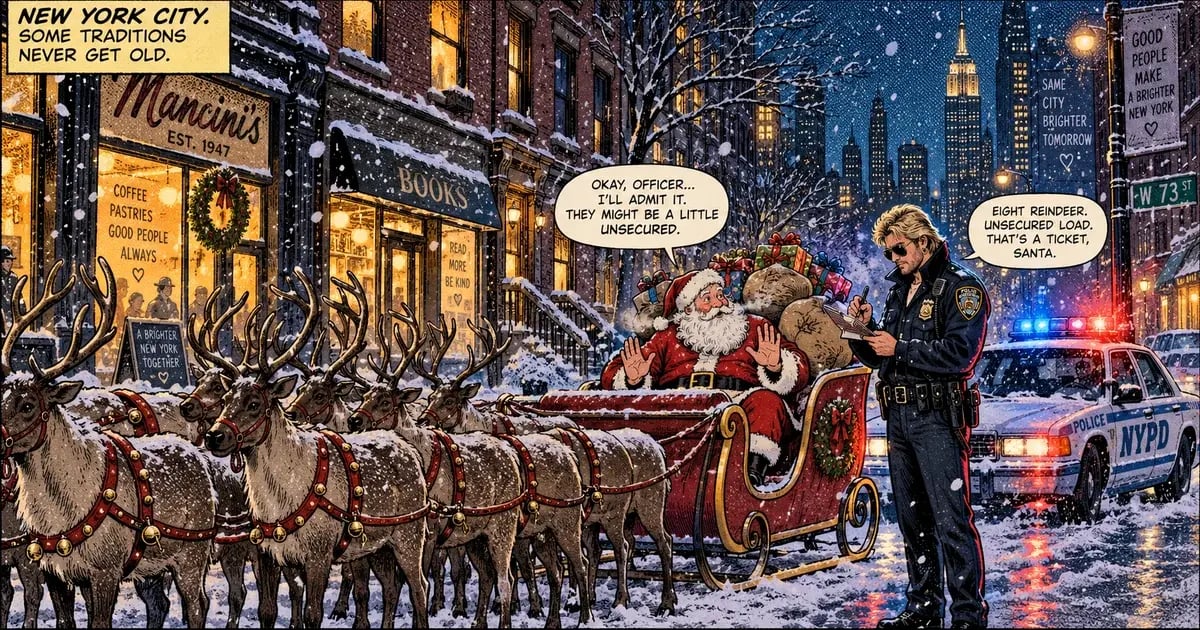
Short answer. Yes, your duty of care extends to the Christmas party. It counts as a work-related social event, and employers still have to think about venue safety, alcohol, staff welfare and getting people home safely, even though it isn't happening in the office.
November is when the first emails arrive: "Subject: Christmas Party Planning Committee, everyone welcome!" It's also when a few business owners start wondering whether they have a duty of care at the Christmas party. The answer is yes, probably more than you'd like.
The Christmas party is often treated as a fun optional extra, separate from the day job and separate from health and safety compliance. It isn't. You invited your staff, or at least implied there was an expectation of attendance, your people will likely consume alcohol, and the venue probably isn't your carefully risk-assessed office building. Your duty of care extends to the party. Here is what that means in practice.
The legal position
Under the Health and Safety at Work etc. Act 1974, employers have a duty to protect the health, safety and welfare of their employees at work, and that extends to work-related social events. A "work-related social event" is, broadly, anything you have organised for your staff in connection with their employment. The Christmas party clearly qualifies; after-work drinks are more of a grey area, but it's safer to treat them the same way.
In practice, that duty covers making sure the venue is reasonably safe, giving people information about relevant hazards such as slippery floors, poor lighting or uneven terrain, arranging appropriate supervision, especially around alcohol, making provision for staff welfare, and having a plan if something goes wrong. You are not responsible for staff making poor decisions at the party, but you are responsible for doing what is reasonably practicable to prevent harm.
Alcohol
Alcohol impairs judgment and increases risk, and most incidents at Christmas parties are either caused or made worse by it. You don't need to ban it; that would be unrealistic in most workplaces and isn't required. You do need to manage it. Useful steps include:
- A clear, enforceable alcohol policy rather than a vague one, for example: we'll provide wine, beer and soft drinks but not spirits, and getting intoxicated is not acceptable
- Not providing free spirits; wine and beer are one thing, spirits tend to accelerate problems
- Making sure food is available, which is low-cost and genuinely reduces harm
- Making soft drinks as visible and available as alcohol, for staff with health, personal, driving or other reasons not to drink
- A clear plan for how people get home, whether that's taxis, a minibus or public transport, thought through in advance, especially in a rural area
- Making clear beforehand that alcohol-fuelled harassment of colleagues is not acceptable, and responding quickly if it happens
None of this is about being the fun police. It is about reducing the risk of someone getting hurt, not getting home safely, or doing something they, and you, will regret.
Venue safety
Your office is probably safe because you have already assessed it. The party venue needs the same scrutiny. Before booking, it is worth asking whether the emergency lighting works, where the fire exits are and how clearly they are marked, whether lighting throughout is adequate given dark dance floors and fairy lights, whether the venue is properly heated and ventilated for a packed room, whether there are obvious trip hazards such as trailing wires or unmarked steps, whether toilets are adequate and accessible, whether the venue is accessible for staff with mobility issues, what the venue does if someone is injured or becomes unwell, and whether it is properly licensed and insured. You don't need to inspect it like an HSE officer, but a conversation with the venue manager and a walk-through beforehand will flag the obvious issues.
Staff welfare
This is where duty of care matters most. In practice, that means thinking ahead for anyone on medication that interacts with alcohol, anyone with a health condition, or anyone who might find a loud, crowded party difficult, without needing to exclude them from the event. It means having a manager or senior person who stays sober and available if something goes wrong, having a first aid kit on hand for the usual sprains and cuts, having a plan for anyone who has had too much to drink, whether that means water, a quiet space or a safe way home, and being ready to step in if someone appears unwell, pressured, or mistreated.
Insurance
Employer's liability insurance covers injuries to employees in connection with their employment, and most standard policies extend to work-related social events, provided reasonable steps have been taken to manage the risks. If none of the above has been considered, an insurer may argue the event was not adequately managed. A short conversation with your broker beforehand is worth having.
After the party
Keep a brief record of the event, where it was, roughly how many attended, and any incidents, so there is something to refer back to if a claim is made later. Report anything that goes wrong, an injury, an allegation or a complaint, to your insurer promptly rather than waiting to see if it becomes a claim, and use a short debrief with your team afterwards, not a witch hunt, to understand and prevent any repeat problems.
Keeping it in proportion
The Christmas party is good for morale and team bonding, and that is worth protecting. None of this is about banning fun; it is about doing what is reasonably practicable to keep people safe while they enjoy themselves. HSE's guidance on alcohol and drugs at work is a useful starting point, and York Green's health and safety consultancy service can help if you want a proper risk assessment for a larger event.